
MICRONEEDLING FAQ’S
-
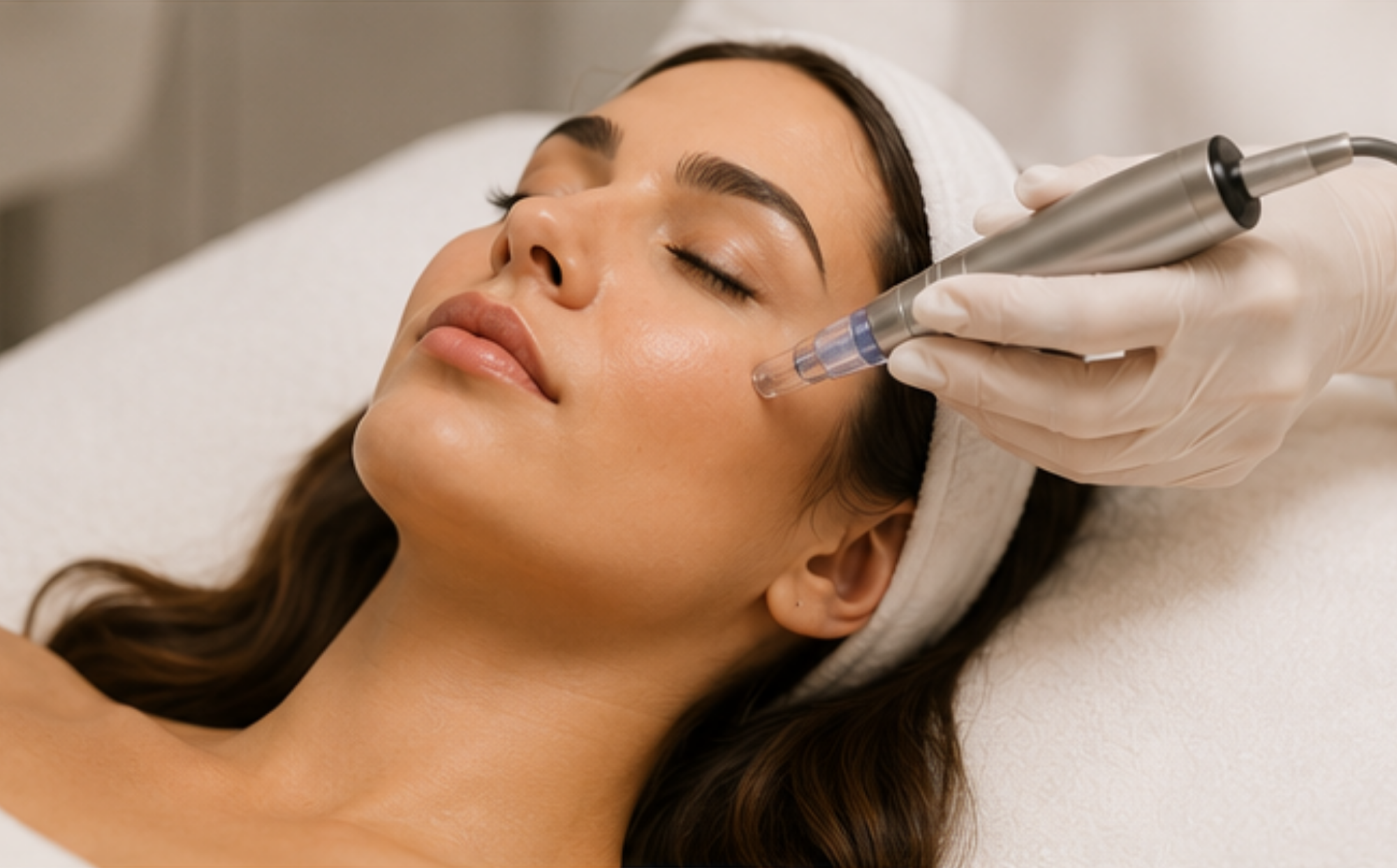
Microneedling is a professional skin treatment that uses tiny, sterile needles to create controlled micro-channels in the skin. This stimulates the skin’s natural renewal process and production of collagen and elastin.
Over time, microneedling can help improve the appearance of fine lines, uneven texture, enlarged pores, acne scars, discoloration, and loss of firmness for smoother, healthier-looking skin.
-
We use a professional Dr. Pen microneedling device with a new sterile, single-use cartridge for every treatment. Needle depth, technique, and professional serums are customized to your skin, treatment area, and individual goals.
-
Most clients tolerate microneedling very well. A topical numbing cream may be applied for approximately 20–30 minutes to make the treatment more comfortable.
During treatment, you may feel vibration, warmth, pressure, mild scratching, or sensitivity. Certain areas may feel more sensitive than others.
-
The microneedling portion usually takes approximately 15–30 minutes, depending on the area being treated.
Your complete appointment, including consultation, cleansing, numbing, treatment, and post-treatment care, may take approximately 45–75 minutes.
-
Your skin may look pink or red, similar to a mild to moderate sunburn, and may feel warm, tight, sensitive, or slightly swollen. Pinpoint bleeding or light bruising can occasionally occur.
Our protocols are designed for minimal downtime. Redness often improves significantly within 24 hours. Body or more intensive treatments may require additional recovery time.
-
Many clients have minimal or no noticeable redness by the following day and return to their normal routine. Others may experience pinkness, sensitivity, tightness, or mild swelling for 1–3 days.
Downtime varies depending on your skin, treatment area, and treatment intensity. Avoid intense exercise, excessive sweating, heat, sauna, steam, swimming, and direct sun exposure during the initial healing period.
-
Microneedling does not typically cause the peeling associated with a chemical peel. Some clients may experience mild dryness, tightness, or light flaking as the skin renews.
Do not pick, scrub, or exfoliate the skin. Allow any flaking to resolve naturally.
-
Avoid makeup, tinted products, powders, and pigment-containing products for the first 24 hours after treatment.
Freshly microneedled skin is temporarily more vulnerable and absorbent, so keeping it clean during the initial healing period is important.
-
For the first 24 hours, avoid makeup, excessive sweating, intense exercise, heat, sauna, steam, hot baths, jacuzzi, swimming, and direct sun exposure.
For approximately the first week, avoid scrubs, exfoliation, acids, retinoids, strong vitamin C, benzoyl peroxide, fragranced or alcohol-based products, waxing, shaving the treated area, massage, and other aggressive skin treatments.
-
Proper home care is an important part of your results. We recommend gentle, professional products that support hydration, healing, and the skin barrier, along with appropriate sun protection.
Your esthetician will recommend specific home-care products based on your skin and treatment.
-
Proper skin preparation can help support safer treatment and better results.
Before your appointment:
- Stop retinol, tretinoin, adapalene, AHA/BHA acids, scrubs, exfoliating products, and at-home dermarolling approximately 5–7 days before treatment.
- Avoid direct sun exposure and tanning beds for at least 7 days.
- Avoid waxing, threading, or laser hair removal on the treatment area for approximately 5–7 days.
- Do not arrive with an active sunburn or irritated skin.
- Come with clean skin and no makeup, sunscreen, lotion, or oil on the treatment area.
- Tell your esthetician about medications, supplements, allergies, recent procedures, and skin conditions.If your skin is irritated, sunburned, compromised, or otherwise unsafe to treat, your appointment may need to be rescheduled.
-
Microneedling results are progressive, not immediate. You may begin noticing improvements in your skin’s appearance and texture over the following several weeks as the natural repair and collagen-building process continues.
Collagen remodeling can continue for several months. More significant concerns, such as acne scars, texture changes, or long-term sun damage, generally require a series of treatments and more time to see optimal improvement.
-
Most clients benefit from approximately 3–6 treatments spaced 3–4 weeks apart. The exact number depends on your skin condition, treatment area, age, goals, and response to treatment.
Deeper acne scars, mature skin, stretch marks, or significant texture concerns may require additional treatments. After your initial series, approximately 3–4 maintenance treatments per year may be recommended.
-
Microneedling stimulates your skin’s natural renewal and collagen-building processes, so improvements develop gradually and can be long-lasting.
Because skin continues to age, maintenance treatments, sun protection, and consistent professional home care can help preserve your results. Your esthetician will recommend a maintenance schedule based on your skin and goals.
-
Yes. Microneedling can be an excellent option for a wide range of skin tones because it does not rely on heat or light energy.
However, darker skin tones and clients prone to hyperpigmentation may have a higher risk of post-inflammatory hyperpigmentation (PIH). We may recommend preparing the skin before treatment with appropriate home care, hydration, barrier support, sun protection, and/or pigment-supporting products to help minimize this risk.
-
Microneedling may need to be postponed or may not be appropriate if you have certain conditions affecting your skin or ability to heal, including:
- Active infected or inflamed acne, pustules, boils, or open breakouts
- Active herpes outbreak
- Fungal infection, warts, open wounds, cuts, or scratches
- Fresh tan or sunburn
- Active eczema, psoriasis, dermatitis, or other inflammatory skin conditions
- Irritated, unhealthy, or compromised skin
- History of keloid scarring or poor wound healing
- Certain pigmentation disorders or strong tendency toward post-inflammatory hyperpigmentation
- Uncontrolled diabetes
- Weakened immune system or certain active medical treatments
- Pregnancy or breastfeeding
- Certain blood-thinning medications
- Recent Botox, fillers, thread lift, laser treatment, chemical peel, injections, or other procedures
- Known allergy to products or ingredients required for treatment
- Under 18 without a parent or legal guardian present and required consentThis list is not exhaustive. Please disclose medications, medical conditions, allergies, supplements, recent procedures, and relevant skin history before treatment.
When necessary, treatment may be postponed or medical clearance may be recommended.
-
Timing is important when combining microneedling with other procedures. As a general guideline, we recommend waiting approximately:
Botox — 3 weeks
Dermal fillers — 4 weeks
Thread lifting — 2 monthsAfter laser treatments, chemical peels, waxing, injections, or other aggressive treatments, the skin should be completely healed before microneedling.
-
Yes. Depending on your skin and goals, microneedling may be incorporated into a customized treatment plan with professional facials, chemical peels, and home care.
Proper timing between treatments is important, and your esthetician will recommend the appropriate treatment schedule.
-
A consultation is highly recommended. It allows us to evaluate your skin, discuss your goals, identify any contraindications, and determine whether your skin needs preparation before treatment.
For example, a compromised skin barrier, sensitivity, dehydration, or pigmentation concerns may need to be addressed before beginning microneedling.